Digital radiography has changed how medical imaging departments capture, process and review X-ray examinations. Instead of relying on traditional film-based workflows, digital systems use electronic detectors to produce images that can be viewed and managed through computer-based platforms. Alongside detector technology, image processing and workflow assistance also contribute to the overall imaging process. Understanding the roles of a DR system, MUSICA and SmartXR helps explain how different technologies work together in modern radiology.
What Is a DR System?
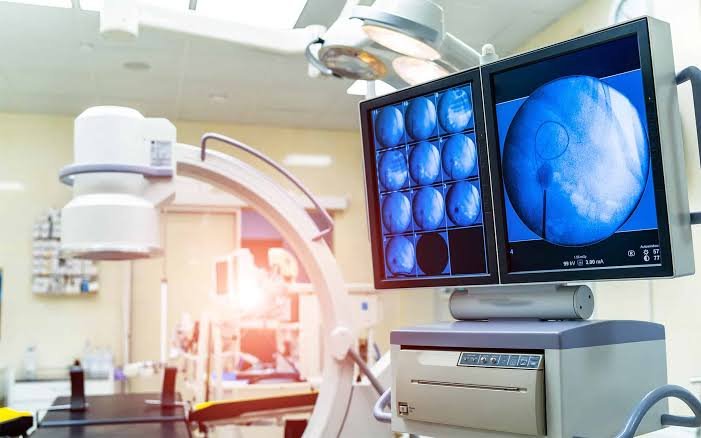
A DR system, or Direct Radiography system, uses digital detectors to capture X-ray information and convert it into an image. The resulting image can be displayed on a workstation shortly after exposure, allowing radiographers to review it during the examination workflow.
A typical digital radiography setup includes an X-ray generator, digital detector, image acquisition workstation and processing software.
Compared with conventional film-based imaging, digital radiography can simplify image handling, reduce the need for chemical processing and support electronic image storage. Images can also be transferred to compatible hospital information systems for review and reporting.
Understanding MUSICA Image Processing
Image processing is an important part of digital radiography because the information captured by a detector must be presented in a way that makes anatomical structures easier to assess.
MUSICA is an image processing technology designed for digital and computed radiography. It analyses the characteristics of raw images and automatically adjusts processing parameters to produce a balanced presentation of anatomical details.
Its processing approach can help represent bone and soft tissue while managing image characteristics such as brightness, contrast and noise.
Rather than treating every examination identically, image processing considers the characteristics of the acquired image. This supports consistent image presentation across different examination types.
However, image processing does not replace the need for correct patient positioning, appropriate exposure selection or professional interpretation.
What Is SmartXR and How Does It Support Radiographers?
While image processing focuses on how images are presented, workflow assistance focuses on supporting the image acquisition process.
SmartXR is a digital radiography workflow assistance portfolio that uses technologies such as sensors and software to support radiographers during examinations.
Depending on the available features, it can assist with areas such as:
- Patient positioning: Providing guidance during patient and detector positioning.
- Image alignment: Supporting appropriate alignment between the X-ray tube and detector.
- Image rotation: Helping present acquired images in the correct orientation.
- Dose-related workflow: Providing assistance with exposure-related settings and consistency.
These features are designed to support radiographers during image acquisition and reduce certain repetitive workflow tasks. They do not replace the clinical judgement and responsibility of trained professionals.
How These Technologies Work Together
A modern DR system involves several stages, beginning with image acquisition and continuing through processing and review.
The digital detector captures the X-ray information, while image processing technology such as MUSICA helps optimise how the resulting image is presented. Workflow assistance such as SmartXR can support selected steps involved in positioning, alignment and image acquisition.
Although these technologies serve different purposes, they contribute to a more coordinated imaging workflow.
It is important to understand that image processing and workflow assistance are not interchangeable. One focuses on image presentation, while the other supports the process of acquiring images.
What Should Healthcare Facilities Consider?
When evaluating digital radiography technology, healthcare facilities should consider detector performance, image processing capabilities, workflow requirements, system compatibility and staff training.
Integration with PACS and RIS is also important for managing images and maintaining access to examination records.
Radiation protection, equipment maintenance and quality assurance procedures should remain central to the implementation of any imaging system.
The Changing Role of Digital Radiography
Digital radiography is more than simply replacing film with electronic detectors. It involves the coordination of image acquisition, processing and workflow support.
Understanding how a DR system, MUSICA and SmartXR contribute to different stages of radiography can help healthcare professionals and facility managers make better-informed decisions about imaging technology and departmental requirements.
This article is educational and does not replace individualized medical advice, diagnosis or treatment.
Keep your momentum.
Use the next and previous guide controls to continue through connected health topics.