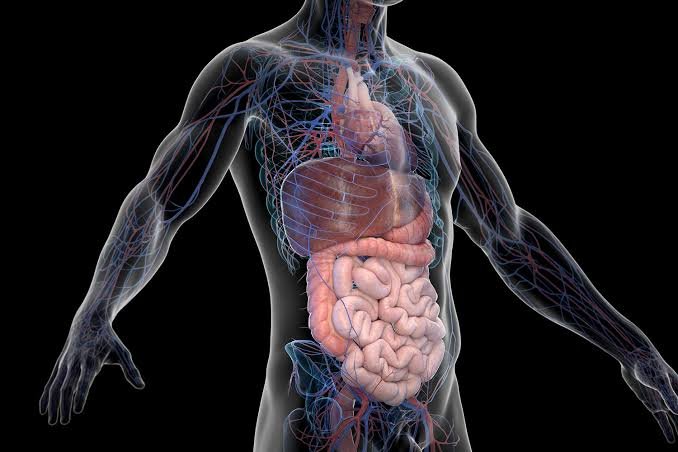
Your body talks. Most of us just aren’t listening.
I’ve had patients — well, not “patients” exactly, but friends and family who’ve come to me panicking about symptoms they’d been brushing off for months. A nagging headache here. A weird patch of skin there. And by the time they finally got it checked, the “small thing” wasn’t so small anymore. That’s really the point of this post: the warning signs of health problems are rarely dramatic at first. They whisper before they shout.
So let’s go through the ones that matter most, and why they’re worth your attention this year.
1. Unexplained Weight Loss
If you’re dropping weight without trying — no new diet, no extra gym sessions — pay attention. Losing more than 5% of your body weight in six months without explanation can point to thyroid issues, diabetes, or in rarer cases, something more serious.
Quick answer: Unexplained weight loss of 10 pounds or more over a few months, with no change in diet or activity, is one of the clearest signs you need bloodwork done soon.
2. Persistent Fatigue That Sleep Doesn’t Fix
We all get tired. But there’s a difference between “I stayed up too late” tired and the kind of exhaustion that doesn’t lift no matter how much you sleep. That second type — the bone-deep, foggy kind — is often linked to anemia, low thyroid function, or even undiagnosed depression.
3. Changes in Skin Color or Texture
Yellowing skin (hello, liver), sudden dark patches, or moles that change shape are all things dermatologists actually want you to bother them about. I know it feels silly to book an appointment over a mole. Do it anyway.
4. Shortness of Breath During Normal Activity
Struggling to breathe while climbing stairs you’ve climbed a hundred times before? That’s not “just getting older.” It could be an early sign of heart or lung trouble, and it’s worth a proper checkup.
5. Digestive Changes That Stick Around
A day or two of an upset stomach, fine. But ongoing bloating, blood in stool, or a change in bowel habits lasting more than two weeks needs a doctor’s eyes on it, not a Google search at 2 AM.
6. Frequent Headaches or Migraines
Occasional headaches are normal life stuff — screen time, dehydration, stress. But headaches that show up almost daily, or ones accompanied by vision changes, deserve a proper look.
7. Swelling in Legs or Ankles
This one surprises people. Swelling that doesn’t go down overnight can signal heart, kidney, or vein problems. It’s easy to blame it on “standing too much,” and sometimes that’s exactly what it is — but not always.
8. Numbness or Tingling in Hands and Feet
Occasional pins-and-needles from sitting oddly? Normal. Constant numbness, especially if it’s spreading? That’s worth mentioning to a doctor, particularly if you have diabetes risk factors.
9. Mood Changes That Feel “Off”
Physical health and mental health are tangled together more than people realize. Sudden irritability, sadness that won’t lift, or anxiety spikes can sometimes trace back to hormonal or thyroid imbalances.
10. Trouble Sleeping for No Clear Reason
If you’re lying awake for weeks with no obvious stressor, that’s a signal too — sleep issues are often one of the earliest markers of underlying health shifts.
FAQs
Q: How do I know if a symptom is serious or just stress? Honestly, there’s no perfect rule. But if a symptom lasts more than two weeks, keeps recurring, or is paired with another symptom on this list, it’s worth a doctor’s opinion rather than a guess.
Q: Can stress alone cause physical symptoms? Yes, absolutely — stress can cause real, physical symptoms like headaches, stomach issues, and fatigue. But that doesn’t mean you should assume every symptom is “just stress” without ruling other things out first.
Q: Should I go to a doctor or wait it out? If a symptom is new, unexplained, and lasting more than a couple of weeks, don’t wait it out. Early checkups are cheaper — in every sense — than late diagnoses.
Q: What health checkups should I get every year? A basic blood panel, blood pressure check, and depending on age, screenings like mammograms or colonoscopies are standard. Ask your doctor what applies to your age and history.
Q: Are warning signs different for men and women? Some are — heart attack symptoms, for instance, often look different in women (fatigue, nausea) compared to men (chest pain). It’s worth knowing the differences specific to your body.
Conclusion
None of these signs, on their own, mean disaster. But together, they’re your body’s early warning system — and in 2026, with checkups more accessible than ever through telemedicine, there’s really no excuse to keep ignoring them. If even one of these has sounded familiar while reading this, don’t just close the tab and forget about it. Book the appointment this week, not “someday.”
This article is educational and does not replace individualized medical advice, diagnosis or treatment.
Keep your momentum.
Use the next and previous guide controls to continue through connected health topics.