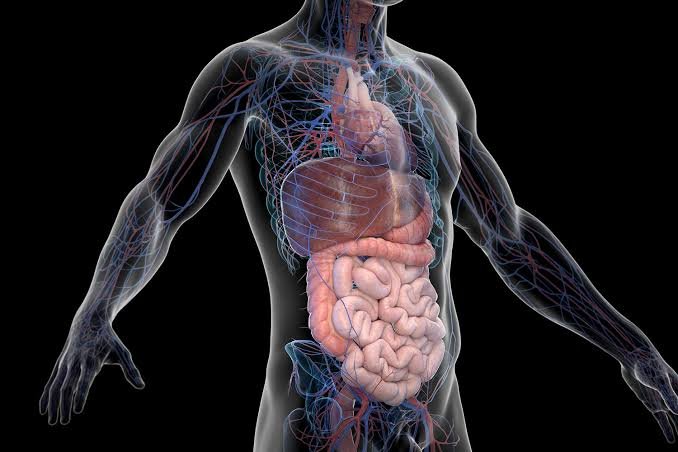
When people think about core strength and spinal stability, they tend to think about abdominal exercises, back extensions, and planks. What almost nobody thinks about is breathing. Yet the diaphragm — the domed muscle that drives respiration — is one of the primary stabilisers of the lumbar spine. And the way most adults breathe is, without their knowing it, undermining their spinal stability with every breath they take.
This article examines the anatomy of this connection, explains why dysfunctional breathing patterns contribute to back pain, and describes how focused breathwork can become a powerful component of spinal rehabilitation.
The Diaphragm as a Spinal Stabiliser: The Anatomy
The diaphragm does not only drive breathing. As a pressure system, it is a central component of what physiotherapists call the ‘inner unit’ or intrinsic core stabilisation system. The inner unit consists of four structures that work together to create intra-abdominal pressure (IAP) — a pressurised canister of air and fluid inside the abdominal cavity that acts as a rigid internal support for the lumbar spine under load:
- Diaphragm (top of the canister)
- Pelvic floor (bottom of the canister)
- Transverse abdominis (front and sides of the canister)
- Multifidus (back wall of the canister)
When these four structures contract in a coordinated way — which they do automatically in a healthy neuromuscular system — they generate IAP that supports the lumbar vertebrae from inside the abdominal cavity. This internal pressure is as important to lumbar stability as the external muscular bracing that conventional core exercises develop.
How Dysfunctional Breathing Undermines Spinal Stability
In a person with healthy breathing mechanics, the diaphragm descends on inhalation, which simultaneously generates IAP and expands the lower ribcage in three dimensions. On exhalation, it ascends and IAP is partially released. Throughout both phases, the diaphragm is coordinating with the pelvic floor and transverse abdominis to maintain appropriate trunk stability.
Most adults, however, have abandoned this pattern in favour of chest breathing — expansion of the upper chest and shoulders on inhalation, with minimal movement of the lower ribcage or abdomen. In chest breathing, the diaphragm’s excursion is dramatically reduced. The IAP generation that should support the lumbar spine during daily activities is correspondingly diminished.
People who habitually chest-breathe compensate for reduced inner unit stability by over-recruiting the large superficial muscles of the back and abdomen. This chronic muscular bracing is itself a source of back pain, and it often goes entirely unrecognised as such.
The Stress-Breathing-Pain Triangle
Psychological stress is a powerful driver of chest-breathing patterns. The stress response activates the sympathetic nervous system, which drives faster, shallower, more upper-chest breathing. People who are chronically stressed tend to develop habitually restricted breathing mechanics, which means their lumbar spine operates with a reduced stability margin even at rest.
This creates a reinforcing triangle: stress drives poor breathing, poor breathing reduces spinal stability, reduced spinal stability increases pain, and pain increases stress. Breaking into this triangle through deliberate breathwork addresses all three vertices simultaneously.
Breathwork Approaches That Support Spinal Health
Diaphragmatic Breathing Retraining
The foundation of any breathwork programme for back pain is restoring diaphragmatic breathing mechanics. This involves learning to inhale with expansion of the lower ribcage and abdomen rather than the chest, allowing the diaphragm to fully descend and generate appropriate IAP. Initial training is typically done in a supine position, progressing to sitting, standing, and eventually dynamic movement.
360-Degree Ribcage Expansion
A common error in diaphragmatic breathing retraining is allowing expansion to occur predominantly in the front of the abdomen (belly breathing) without corresponding posterior and lateral ribcage expansion. Full diaphragmatic activation requires 360-degree expansion of the lower ribcage, which is what genuinely activates the posterior portions of the diaphragm and maximises IAP generation.
Integration with Movement
The ultimate goal of breathwork for spinal stability is the automatic integration of appropriate breathing mechanics into daily movement. This involves learning when to brace (holding a breath briefly to maximise IAP before a high-load task such as lifting) and when to breathe through movement (maintaining continuous breathing during sustained activity while preserving adequate stability).
Breathwork Within a Broader Spinal Rehabilitation Programme
Breathwork is not a standalone treatment for structural back pain conditions such as disc herniation or spinal stenosis. But as a component of a comprehensive rehabilitation programme, it consistently enhances outcomes by restoring a foundation of lumbar stability that makes other exercises more effective and reduces the risk of re-injury. The non-surgical spinal care specialists at ANSSI Wellness incorporate breathwork and inner unit retraining into rehabilitation programmes for a wide range of back pain conditions.
Conclusion
Your breath is the most fundamental motor pattern your body performs — approximately 20,000 times per day. If that pattern is dysfunctional, the consequences for spinal stability are both continuous and cumulative. Learning to breathe better is one of the least expensive, most accessible, and most consistently underutilised tools available to anyone managing back pain. The evidence is clear: the diaphragm is a spinal stabiliser, and treating it as such can transform both the experience and the trajectory of back pain recovery.
This article is educational and does not replace individualized medical advice, diagnosis or treatment.
Keep your momentum.
Use the next and previous guide controls to continue through connected health topics.