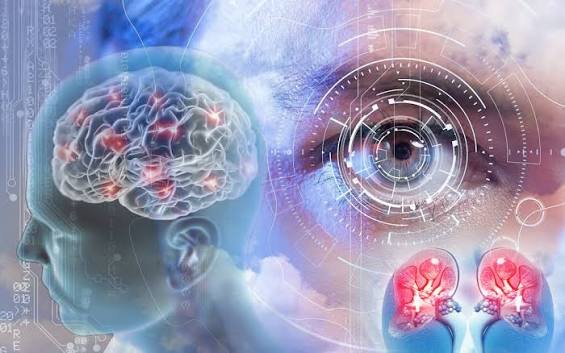
A decade ago, “AI diagnosing diseases” sounded like distant science fiction. Now it’s quietly built into diagnostic tools already being used in hospitals. Understanding how AI in disease diagnosis actually works — beyond the buzzwords — helps make sense of where this technology genuinely helps, and where human doctors still remain essential.
How AI Actually Assists With Diagnosis
Quick answer: AI in disease diagnosis primarily works by analyzing medical images, lab data, and patterns across huge datasets faster than humanly possible, flagging potential concerns for doctors to review and confirm — it assists diagnosis, rather than fully replacing it.
Medical Imaging Analysis
This is where AI has made some of its most measurable progress. AI systems analyzing mammograms, CT scans, and X-rays have shown accuracy matching or, in some specific studies, exceeding human radiologists for detecting certain cancers and abnormalities.
Early Cancer Detection
AI algorithms trained on massive image datasets can spot subtle patterns in scans that might be genuinely difficult for the human eye to catch consistently, particularly useful for early-stage detection when treatment options are typically more effective.
Predicting Disease Risk From Patterns
Beyond imaging, AI models analyzing electronic health records can identify risk patterns for conditions like diabetes or heart disease sometimes years before traditional diagnostic markers would trigger concern.
Pathology and Lab Analysis
AI-assisted pathology tools help analyze tissue samples faster, flagging areas of concern for pathologists to examine more closely, potentially reducing the time between biopsy and diagnosis significantly.
Skin Condition and Dermatology Apps
Several AI-powered apps now allow people to photograph skin concerns for a preliminary assessment of whether a mole or lesion warrants professional evaluation — useful as an early screening nudge, though never a replacement for an actual dermatologist visit.
Where AI Still Falls Short
I think it’s important to be honest here — AI diagnostic tools can struggle with rare conditions underrepresented in training data, and they can occasionally produce confident-sounding but incorrect results. This is exactly why human oversight remains essential, not optional.
The Doctor-AI Partnership Model
The most effective current use isn’t “AI replacing doctors” — it’s AI handling the initial pattern-detection heavy lifting, freeing up doctors’ time and attention for the parts of diagnosis and patient care that genuinely require human judgment and communication.
Accessibility Benefits in Underserved Areas
AI diagnostic tools deployed through telemedicine platforms are increasingly helping bring preliminary screening access to areas with limited specialist availability, an underrated but genuinely significant benefit of this technology.
FAQs
Q: Can AI diagnose diseases more accurately than doctors? In specific, narrow tasks like certain image analysis, AI has matched or exceeded human accuracy in controlled studies — but overall diagnosis involving context and judgment still benefits significantly from human expertise.
Q: Is AI diagnosis available to regular patients now, or just research settings? Increasingly available in real clinical settings — many hospitals now use AI-assisted imaging analysis as a standard part of radiology workflows, not just in research trials.
Q: Can I trust an AI skin-check app instead of seeing a dermatologist? These apps are useful as a preliminary screening tool to flag concerns, but they shouldn’t replace an actual dermatologist evaluation for anything genuinely worrying.
Q: What are the biggest risks of AI in medical diagnosis? Key concerns include algorithmic bias from unrepresentative training data, over-reliance without human verification, and data privacy issues with sensitive health information.
Q: Will AI eventually replace doctors entirely? Most experts don’t expect full replacement — the more realistic trajectory is AI handling specific diagnostic support tasks while doctors focus on judgment, communication, and complex decision-making.
Conclusion
AI in disease diagnosis isn’t about replacing the doctor-patient relationship — it’s about giving doctors sharper tools to catch things earlier and more accurately. As this technology keeps developing through 2026 and beyond, the real value lies in the partnership between AI’s pattern-detection strength and human clinical judgment, not one replacing the other.
This article is educational and does not replace individualized medical advice, diagnosis or treatment.
Keep your momentum.
Use the next and previous guide controls to continue through connected health topics.