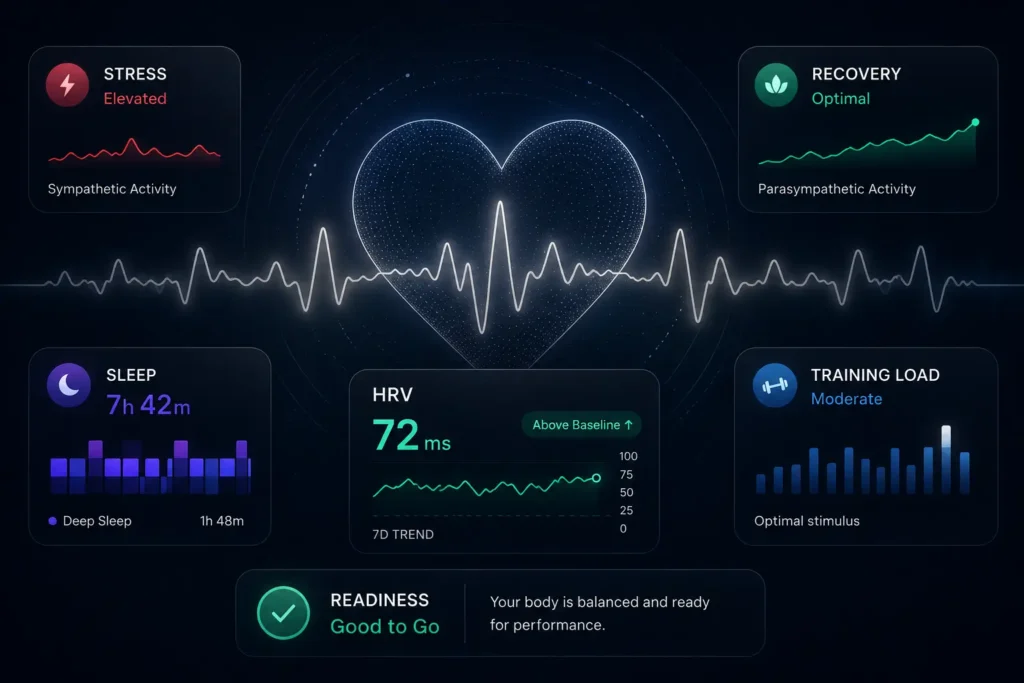
There’s a genuine flood of health apps out there right now, and honestly, most of us have downloaded at least three that we used for a week and forgot about. Finding the best health tracking apps in 2026 isn’t just about flashy features — it’s about which ones actually keep you engaged long enough to see real results.
What Actually Matters in a Health Tracking App
Quick answer: The best health tracking apps in 2026 combine accurate tracking (steps, sleep, heart rate), simple daily logging, and personalized insights — without overwhelming users with data they’ll never actually use.
Comprehensive Fitness and Activity Tracking
Apps that track steps, workouts, and heart rate zones give a fuller picture than step-counting alone. Look for ones offering personalized recovery insights, not just raw numbers — context matters more than data volume.
Sleep Tracking With Actionable Insights
Good sleep tracking goes beyond just showing hours slept; it should break down sleep stages and offer specific, practical suggestions based on your actual patterns, rather than generic advice unrelated to your data.
Nutrition and Calorie Logging
Apps with large, accurate food databases and barcode scanning make daily logging genuinely sustainable rather than a tedious chore that gets abandoned within two weeks.
Mental Health and Mood Tracking Features
An increasing number of health apps now integrate mood tracking alongside physical metrics, recognizing that mental and physical health are deeply connected rather than separate tracking categories.
Integration With Wearables
The best apps sync smoothly with popular wearables (smartwatches, fitness bands) without constant connectivity issues — a frustrating, common complaint with lower-quality apps.
Personalized Insights Over Raw Data Dumps
I’ve noticed the apps people actually stick with long-term are the ones that translate data into simple, specific suggestions (“try sleeping 30 minutes earlier tonight”) rather than just displaying charts and numbers without context.
Privacy and Data Security Considerations
Health data is deeply personal. Checking an app’s privacy policy — specifically whether data is sold to third parties — matters more than people typically bother to check before downloading.
Features Worth Prioritizing When Choosing an App
- Accurate, validated tracking methodology (not just any random algorithm)
- A genuinely usable, uncluttered interface
- Meaningful personalization based on your specific goals
- Reasonable pricing, since many good options now have solid free tiers
FAQs
Q: Do I need an expensive wearable for a health app to be useful? Not necessarily — many apps provide meaningful value using just your phone’s built-in sensors for steps and basic activity tracking, without requiring additional hardware.
Q: How accurate are health tracking apps really? Step and basic activity tracking tends to be quite accurate; more complex metrics like calorie burn estimates are generally less precise but still useful for tracking relative trends over time.
Q: Is my health data safe with these apps? It depends heavily on the specific app’s privacy policy — always check whether health data is shared or sold to third parties before granting extensive permissions.
Q: Can health apps replace medical advice? No, they’re tools for tracking and awareness, not diagnostic tools — always consult a doctor for actual medical concerns rather than relying solely on app-generated insights.
Q: What’s the biggest mistake people make when using health apps? Downloading too many at once and tracking everything obsessively, which often leads to burnout and abandonment within a few weeks — starting simple works better long-term.
Conclusion
The right health tracking app in 2026 is less about having the most features and more about which one you’ll actually open consistently. Start with one or two core metrics that matter most to your specific goals, rather than trying to track everything at once from day one.
This article is educational and does not replace individualized medical advice, diagnosis or treatment.
Keep your momentum.
Use the next and previous guide controls to continue through connected health topics.