Every winter, someone in my circle swears by a new immunity hack — golden milk, cold showers, some obscure mushroom powder. Some of it works. A lot of it is noise. If you actually want to boost your immune system naturally, the boring truth is that a handful of consistent habits do more than any trendy supplement ever will.
Let’s separate what’s worth your time from what isn’t.
Sleep Is the Foundation, Not an Extra
I’ll say this bluntly: no supplement outperforms sleep. Studies have repeatedly shown that people who sleep less than 6 hours a night are more likely to catch a cold when exposed to a virus than those getting 7+ hours. Your immune cells literally repair and multiply during deep sleep.
Quick answer: To boost your immune system naturally, prioritize 7-9 hours of consistent sleep — it directly increases the production of infection-fighting T-cells and cytokines.
Eat for Gut Health, Not Just Vitamin C
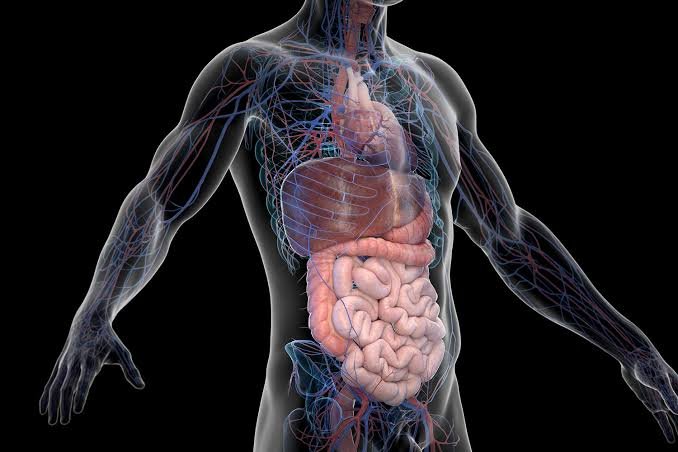
Everyone reaches for orange juice the moment they feel a sniffle coming. Fine, vitamin C helps a little. But roughly 70% of your immune system actually lives in your gut. Fermented foods — curd, kimchi, kombucha — feed the good bacteria that keep your immune response balanced.
Some gut-friendly staples worth adding:
- Plain homemade curd or buttermilk daily
- Fiber-rich vegetables like bottle gourd, spinach, and lentils
- A small handful of nuts for zinc and healthy fats
Move Your Body, But Don’t Overdo It
Moderate exercise — a 30-minute walk, light strength training — genuinely boosts immune function by improving circulation of immune cells. Over-training, though, does the opposite and can suppress immunity for a short window afterward. There’s a sweet spot here, and it’s not “as much as possible.”
Manage Stress Like It’s Part of Your Health Routine
Chronic stress raises cortisol, and prolonged high cortisol dampens immune response. I know this sounds like something you’d read on a wellness Instagram post, but it’s genuinely backed by decades of research. Even 10 minutes of quiet breathing or a short walk outside can measurably lower stress hormones.
Sunlight and Vitamin D
Vitamin D deficiency is shockingly common — even in sunny places like India, thanks to indoor lifestyles and sunscreen use. Low vitamin D is linked to higher rates of respiratory infections. Fifteen to twenty minutes of morning sunlight most days, or a supplement if your levels are low, makes a real difference.
Hydration Isn’t Just About Thirst
Dehydration affects lymph flow — the very system responsible for moving immune cells around your body. Aim for at least 2-3 liters of water daily, more if you’re active or it’s hot out.
Watch the Sugar
Excess sugar intake has been shown to temporarily reduce the effectiveness of white blood cells for several hours after consumption. This doesn’t mean never eat dessert. It means don’t build your daily diet around it.
FAQs
Q: Do immunity-boosting supplements actually work? Some do, in specific cases — vitamin D and zinc for people who are deficient, for example. But supplements can’t replace sleep, diet, and stress management; they’re a top-up, not a substitute.
Q: How long does it take to strengthen your immune system? You can see measurable improvements in a few weeks of consistent sleep and diet changes, though full immune resilience builds over months of sustained habits.
Q: Does cold weather actually weaken immunity? Not directly — but cold weather means more indoor time, less sunlight, and more virus exposure indoors, which is why illness spikes in winter.
Q: Is fasting good or bad for immunity? Short-term intermittent fasting appears neutral to mildly positive for most healthy adults, but prolonged fasting can actually suppress immune function. Moderation matters here.
Q: Can exercise ever hurt your immune system? Yes — intense, prolonged exercise without adequate recovery can temporarily weaken immunity, which is why athletes sometimes get sick right after a big event.
Conclusion
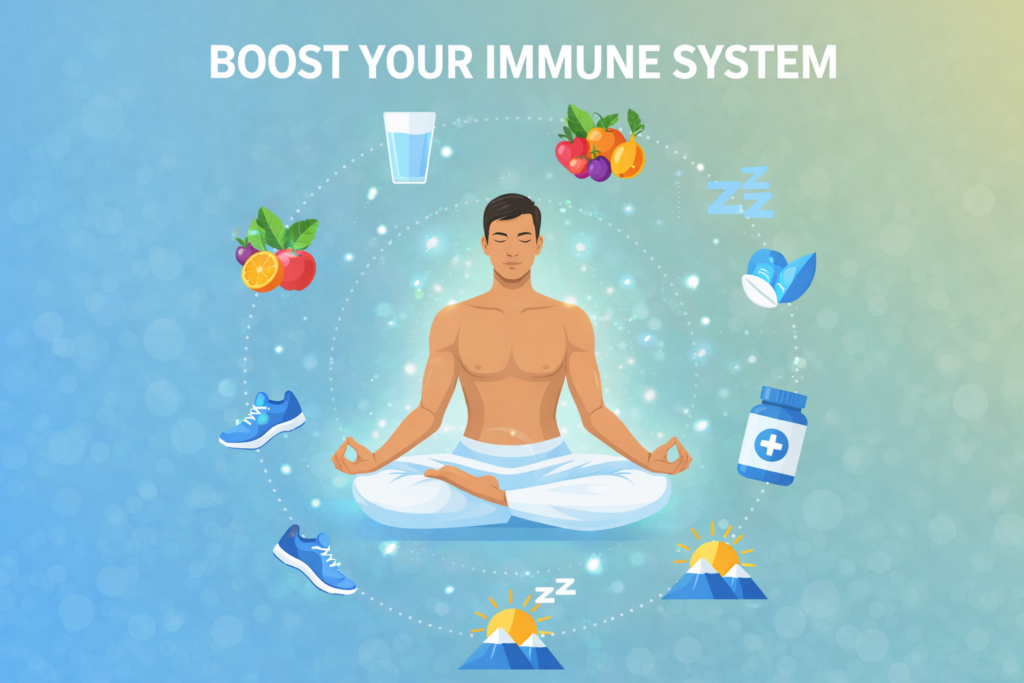
There’s no single magic fix here — boosting immunity naturally comes down to sleep, gut health, movement, stress control, and sunlight, done consistently rather than perfectly. Pick one habit from this list you’re currently skipping, and start there this week instead of trying to overhaul everything at once.
This article is educational and does not replace individualized medical advice, diagnosis or treatment.
Keep your momentum.
Use the next and previous guide controls to continue through connected health topics.