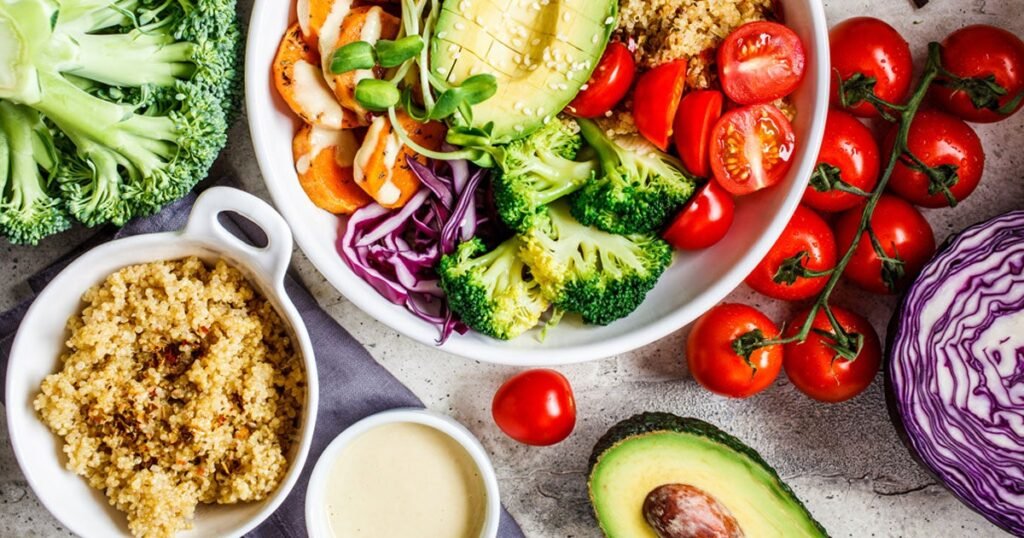
Nutritional needs don’t stay the same throughout life, and honestly, a lot of senior citizens keep eating the way they always have without realizing their body’s requirements have shifted. Choosing the best foods for senior citizens isn’t about a dramatic diet overhaul — it’s about a few targeted adjustments that support aging bodies specifically.
Why Nutrition Needs Change With Age
Quick answer: As we age, calorie needs typically decrease while requirements for protein, calcium, and certain vitamins actually increase — making nutrient-dense foods more important than ever, even as overall food quantity may decrease.
Protein-Rich Foods to Prevent Muscle Loss
Age-related muscle loss (sarcopenia) accelerates after 60 if protein intake isn’t adequate. Eggs, dal, paneer, fish, and lean poultry help preserve muscle mass and strength, which directly supports mobility and fall prevention too.
Calcium and Vitamin D for Bone Health
Bone density naturally declines with age, increasing fracture risk. Dairy products, fortified foods, and moderate sun exposure support calcium absorption and bone strength together.
Fiber-Rich Foods for Digestive Health
Digestion often slows with age, making constipation more common. Whole grains, fruits, vegetables, and legumes support regular digestion and also help manage cholesterol and blood sugar.
Omega-3 Rich Foods for Brain and Heart Health
Fatty fish, walnuts, and flaxseeds support both cardiovascular health and cognitive function — an area of increasing importance as age-related cognitive decline becomes a bigger concern.
Hydrating Foods and Adequate Fluid Intake
Thirst sensation naturally diminishes with age, making dehydration a common, often unnoticed issue. Water-rich foods like cucumbers, watermelon, and soups help supplement direct fluid intake.
Foods to Limit
- Excess sodium, which becomes riskier for blood pressure with age
- Highly processed foods, which are often low in the nutrients seniors need more of
- Excessive sugar, which contributes to inflammation and blood sugar issues
Meal Ideas Tailored for Seniors
- Breakfast: Oats with milk, a boiled egg, and a small serving of fruit
- Lunch: Dal, roti, vegetables, and curd
- Snack: A handful of soaked nuts or a small bowl of fruit
- Dinner: Grilled fish or paneer with steamed vegetables and soup
Addressing Common Eating Challenges in Seniors
Reduced appetite, dental issues, or difficulty chewing sometimes make eating enough nutrient-dense food harder. Softer preparations, smaller frequent meals, and nutrient-dense smoothies can help bridge gaps when appetite is low.
FAQs
Q: How much protein do seniors need daily? Generally more than younger adults per body weight — around 1-1.2 grams per kilogram of body weight daily, higher than the standard adult recommendation, to help combat muscle loss.
Q: Are supplements necessary for seniors, or is diet enough? Diet should be the primary source, but supplements like vitamin D, B12, and calcium are often recommended for seniors due to common deficiencies related to absorption changes with age.
Q: Why do seniors need more calcium than younger adults? Bone density naturally declines with age, and calcium absorption efficiency decreases too, making higher intake important for reducing fracture risk.
Q: Is dehydration a real concern for healthy seniors? Yes, quite genuinely — the sense of thirst diminishes with age, meaning seniors can become dehydrated without feeling particularly thirsty, making scheduled fluid intake important.
Q: What foods help with memory and cognitive health in seniors? Foods rich in omega-3 fatty acids, antioxidants (berries, leafy greens), and B vitamins are commonly associated with better cognitive health outcomes in aging populations.
Conclusion
Eating well as a senior isn’t about restriction — it’s about prioritizing nutrient density since calorie needs are lower but nutritional requirements, especially protein and calcium, actually go up. Small, consistent meal adjustments, done daily, support strength, bone health, and energy far more than any single “superfood” ever could.
This article is educational and does not replace individualized medical advice, diagnosis or treatment.
Keep your momentum.
Use the next and previous guide controls to continue through connected health topics.