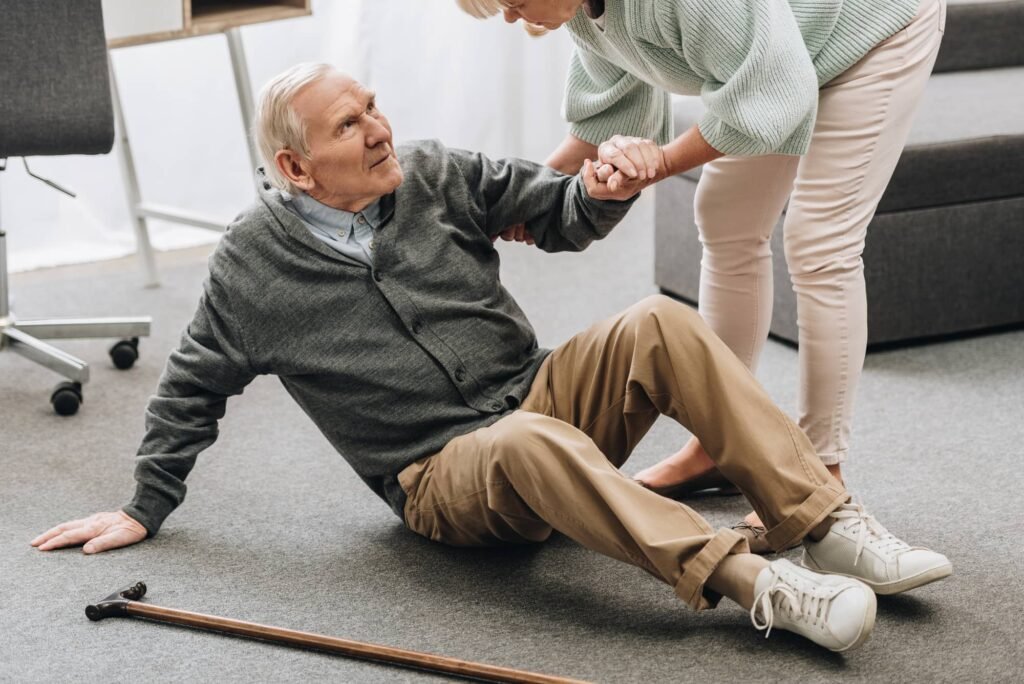
There’s a particular kind of worry that sets in once a parent starts living alone as they age — that quiet “what if they fall and no one’s there” thought that doesn’t fully go away. It’s a valid concern; falls are actually the leading cause of injury among adults over 65. The good news is that solid fall prevention tips for elderly individuals can meaningfully reduce that risk.
Why Falls Are Such a Serious Concern for Seniors
Quick answer: Falls are a leading cause of serious injury in older adults, largely due to age-related changes in balance, vision, muscle strength, and bone density — but most fall risks are addressable through specific home and lifestyle changes.
Remove Home Hazards
- Loose rugs and cluttered walkways are among the biggest, most fixable fall risks
- Ensure adequate lighting in hallways, staircases, and bathrooms, including nightlights
- Secure loose cables and cords away from walking paths
Bathroom Safety Specifically
Bathrooms are one of the highest-risk areas due to wet, slippery surfaces. Grab bars near the toilet and shower, non-slip mats, and a shower chair for those with balance concerns make a genuine difference.
Encourage Regular Strength and Balance Exercise
Simple balance exercises — standing on one leg briefly while holding a counter, gentle tai chi, or short daily walks — have strong evidence for reducing fall risk in older adults, sometimes by 20-30% with consistent practice.
Regular Vision and Hearing Checkups
Declining vision is a major, often overlooked contributor to falls. Annual eye exams, and updating prescriptions promptly, matter more for fall prevention than people realize.
Review Medications With a Doctor
Some medications, especially those affecting blood pressure or causing drowsiness, increase fall risk as a side effect. A yearly medication review with a doctor can catch combinations that might be contributing.
Proper Footwear Matters More Than You’d Think
Loose slippers or unsupportive shoes around the house are a surprisingly common contributor to falls. Supportive, non-slip footwear, even indoors, genuinely reduces risk.
Consider a Medical Alert System
For parents living alone, a simple wearable medical alert device provides real peace of mind — both for them and for you — in case a fall does happen and immediate help is needed.
Stay Connected Through Regular Check-Ins
Beyond physical changes, regular phone or video check-ins help you notice subtle changes in mobility, confusion, or health that might increase fall risk before a fall actually happens.
FAQs
Q: What’s the single biggest fall risk factor for elderly people? Muscle weakness and balance decline are typically the biggest contributors, though environmental hazards like poor lighting and clutter compound the risk significantly.
Q: Do balance exercises really reduce fall risk? Yes, multiple studies show regular balance and strength training can reduce fall risk by 20-30% or more in older adults when practiced consistently.
Q: Should elderly parents living alone get a medical alert device? It’s generally a good idea, particularly for those with any history of falls, mobility issues, or chronic conditions, as it provides quick access to help if needed.
Q: How often should elderly parents get their vision checked? Annual eye exams are generally recommended, or more frequently if there are existing vision conditions like glaucoma or cataracts being monitored.
Q: Can home modifications alone significantly reduce fall risk? Yes, simple changes like removing rugs, improving lighting, and adding grab bars can meaningfully reduce fall risk, especially when combined with exercise and regular checkups.
Conclusion
Fall prevention for elderly parents living alone isn’t about one big change — it’s a combination of home safety adjustments, regular checkups, and staying physically active. Start with the easiest fixes first, like better lighting and removing loose rugs, and build from there rather than feeling like you need to overhaul everything at once.
This article is educational and does not replace individualized medical advice, diagnosis or treatment.
Keep your momentum.
Use the next and previous guide controls to continue through connected health topics.