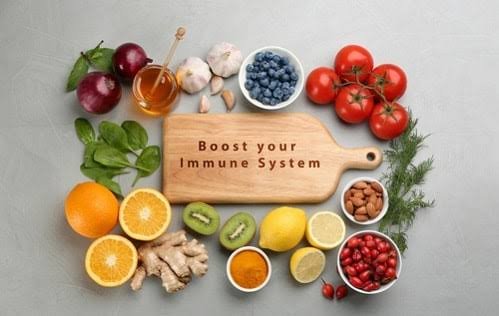
Every parent hits that stretch where it feels like their kid is sick more often than not — one thing clears up, another starts. It’s a normal part of childhood, mostly, but there’s genuinely a lot you can do to help. Learning how to boost a child’s immunity naturally isn’t about miracle supplements; it’s about a handful of consistent basics.
Sleep Is Non-Negotiable for Kids’ Immunity
Quick answer: Adequate, consistent sleep is one of the strongest natural immunity boosters for children, since immune cell production and repair happen primarily during deep sleep — most children need 9-12 hours depending on age.
Focus on Whole, Colorful Foods
Fruits and vegetables provide vitamins and antioxidants that directly support immune function. I know getting kids to actually eat vegetables is its own battle, but even small, consistent exposure over time increases acceptance more than people expect.
Some easy immunity-supporting foods for kids:
- Citrus fruits for vitamin C
- Yogurt or curd for gut-supporting probiotics
- Nuts and seeds (age-appropriate) for zinc and healthy fats
- Leafy greens, even blended into smoothies if picky eating is an issue
Limit Excess Sugar
High sugar intake has been shown to temporarily reduce immune cell effectiveness for a few hours after consumption. This doesn’t mean banning treats entirely — it means not building daily meals around sugary snacks and juices.
Encourage Outdoor Play and Sunlight
Vitamin D from sunlight supports immune regulation, and outdoor play also naturally encourages physical activity, which supports overall immune health. Fifteen to twenty minutes outside most days makes a real difference.
Keep Vaccinations on Schedule
This is one of the most effective immunity tools available, full stop. Staying current with the recommended vaccination schedule protects against specific serious illnesses far more reliably than any dietary change alone.
Teach Basic Hygiene Habits Early
Handwashing, not sharing water bottles, and covering coughs reduce exposure to germs significantly. Kids pick up these habits better through modeling than lecturing — if they see you doing it consistently, they follow.
Manage Stress in Kids Too
Children experience stress differently, but chronic stress (from family conflict, school pressure, bullying) can genuinely suppress immune function in kids just as it does in adults. Emotional wellbeing is part of the immunity picture too.
Probiotic-Rich Foods for Gut Health
Since a large portion of the immune system is tied to gut health, regular curd, buttermilk, or age-appropriate probiotic foods support a healthier gut microbiome, which in turn supports better immune response.
FAQs
Q: Do children need immunity-boosting supplements? Generally not, if diet is reasonably balanced — supplements are more relevant for specific diagnosed deficiencies rather than as a general daily addition.
Q: How much sleep does a child actually need? This varies by age — toddlers need around 11-14 hours including naps, school-age children need 9-11 hours, and teens need about 8-10 hours nightly.
Q: Can too much hand sanitizer weaken a child’s immune system? Excessive use isn’t harmful in the way sometimes claimed, but some exposure to everyday germs through normal play does help build a well-functioning immune system over time.
Q: Does breastfeeding boost immunity in babies? Yes, breast milk contains antibodies and immune-supporting components that provide meaningful protection, particularly in the first six months.
Q: Is it normal for kids to get sick right after starting daycare? Very common, actually — increased exposure to new germs in a group setting often leads to a temporary uptick in illness frequency before immunity adjusts.
Conclusion
There’s no single trick to keeping kids from ever getting sick — that’s just part of childhood. But consistent sleep, a reasonably balanced diet, outdoor time, and staying current on vaccines genuinely reduce both frequency and severity of illness over time. Small, boring habits, repeated daily, matter far more here than any single “immunity superfood.”
This article is educational and does not replace individualized medical advice, diagnosis or treatment.
Keep your momentum.
Use the next and previous guide controls to continue through connected health topics.