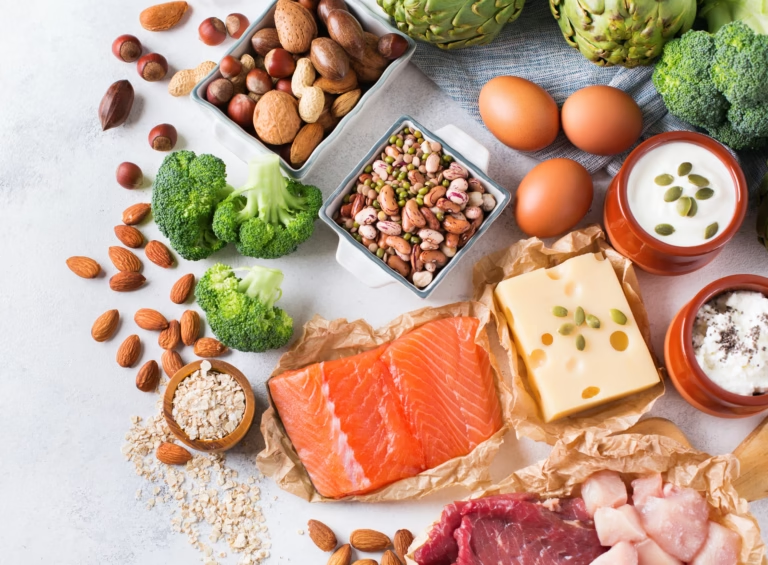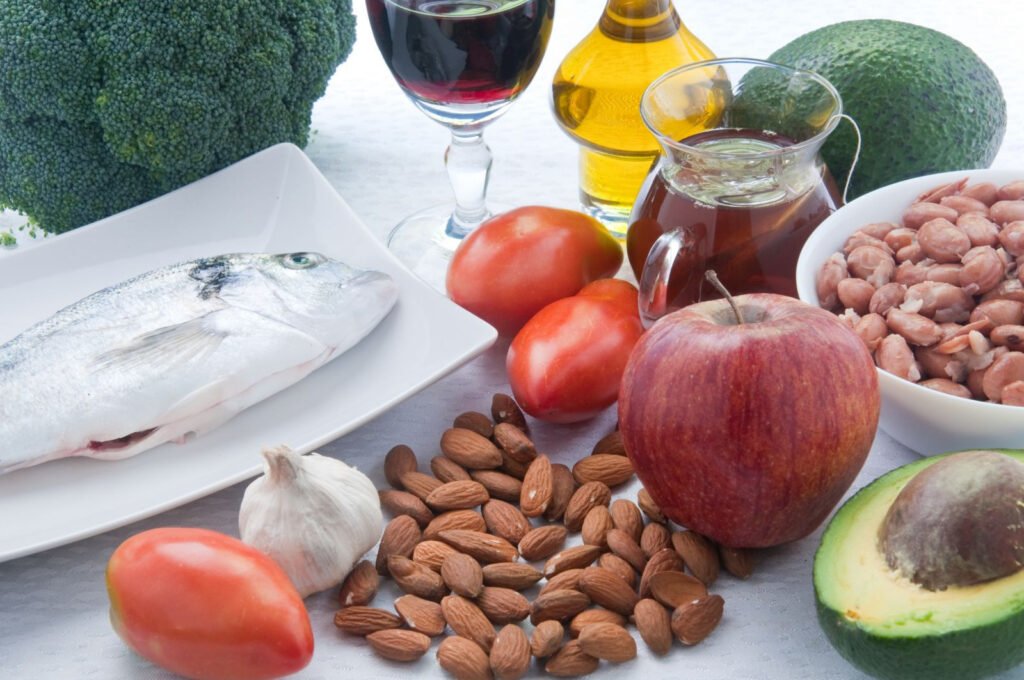
Getting a “borderline high” cholesterol reading is one of those moments that quietly rattles people. It did me, a few years back — nothing dramatic, just enough of a nudge to actually look into foods that lower cholesterol instead of jumping straight to medication.
To be clear, this isn’t medical advice to replace a prescribed statin. But diet genuinely moves the needle for a lot of people, especially with borderline numbers.
Oats and Soluble Fiber
Quick answer: Soluble fiber found in oats, barley, and legumes binds to cholesterol in the digestive system and helps remove it from the body, with studies showing LDL reductions of 5-10% over several weeks of regular intake.
A bowl of oats daily isn’t glamorous, but the data behind it is genuinely solid.
Nuts — Especially Almonds and Walnuts
A handful of unsalted nuts daily has been linked to improved LDL and HDL ratios in multiple studies. Walnuts specifically bring omega-3 fatty acids into the mix, which also support heart health more broadly.
Fatty Fish (If You Eat It)
Salmon, mackerel, and sardines are rich in omega-3s, which help lower triglycerides and reduce inflammation. Two servings a week is a commonly cited target.
Legumes: Lentils, Chickpeas, Beans
These are underrated cholesterol fighters. High in soluble fiber and plant protein, a daily cup of cooked lentils or beans can meaningfully support healthier cholesterol numbers over a few months.
Garlic
There’s decent evidence that regular garlic consumption — roughly one to two cloves daily, whether raw or cooked — provides modest LDL reductions. It’s not a miracle cure, but it adds up alongside other changes.
Olive Oil Instead of Saturated Fats
Swapping ghee or butter for olive oil in cooking, at least partially, reduces saturated fat intake while adding heart-healthy monounsaturated fats. This single swap is one of the easiest changes on this list to actually stick to.
Fruits Rich in Pectin
Apples, oranges, and grapes contain pectin, a type of soluble fiber that helps lower LDL cholesterol. An apple a day genuinely isn’t just an old saying here — there’s real fiber science behind it.
Foods to Cut Back On
- Deep-fried snacks and bakery items with trans fats
- Excess red meat and full-fat dairy
- Processed meats like sausages and salami
I won’t pretend cutting these out is easy — samosas and cholesterol don’t mix well, unfortunately, but moderation beats total elimination for most people’s sanity.
FAQs
Q: How quickly can diet lower cholesterol? Some people see measurable improvements within 4-6 weeks of consistent dietary changes, though full effects often take 2-3 months to show clearly on a lipid panel.
Q: Can I lower cholesterol without medication? For borderline or mildly elevated cholesterol, diet and exercise changes are often enough. For significantly high cholesterol, medication combined with lifestyle changes is usually recommended by doctors.
Q: Are eggs bad for cholesterol? Recent research has softened earlier concerns — moderate egg consumption (up to one daily) doesn’t significantly raise cholesterol for most healthy people.
Q: Does exercise help lower cholesterol too? Yes, regular aerobic exercise raises HDL (“good” cholesterol) and can modestly lower LDL, working well alongside dietary changes.
Q: Is coconut oil good or bad for cholesterol? It’s a mixed picture — coconut oil raises both LDL and HDL, so most cardiologists still recommend using it in moderation rather than as a primary cooking oil.
Conclusion
Cholesterol numbers respond surprisingly well to consistent, boring dietary changes — more fiber, more nuts, less fried food. None of this requires extreme restriction. Try adding just two items from this list to your weekly diet, and get your levels rechecked in two to three months to actually see the difference for yourself.
This article is educational and does not replace individualized medical advice, diagnosis or treatment.
Keep your momentum.
Use the next and previous guide controls to continue through connected health topics.