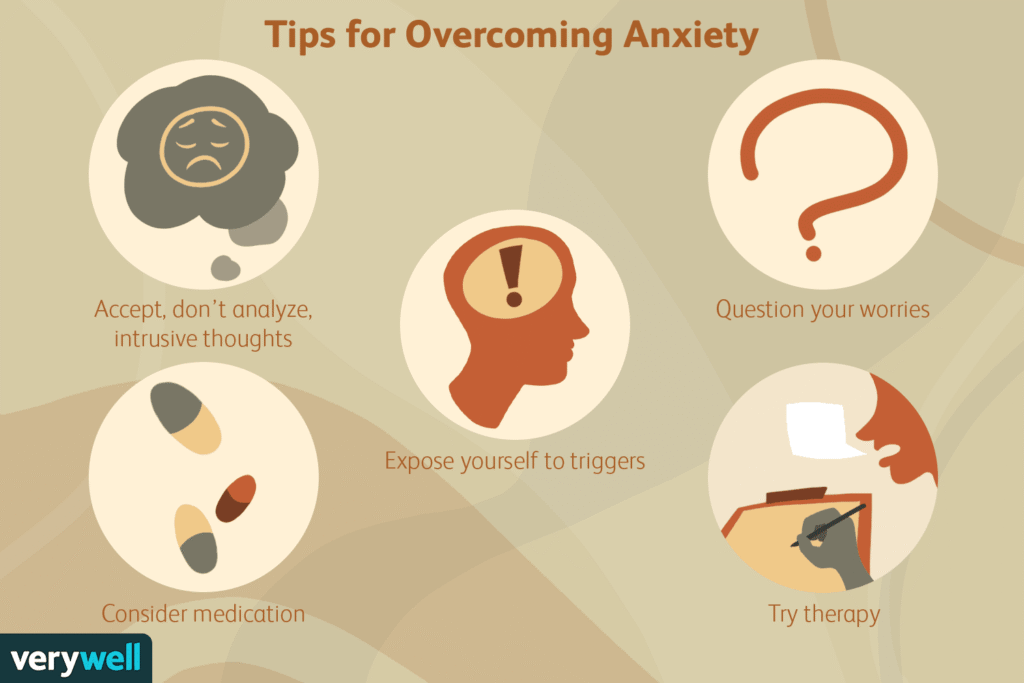
Anxiety has this annoying way of making the smallest situations feel enormous. A late reply to a text. An upcoming meeting. Your brain treats it all like a genuine threat, even when you logically know it isn’t. Learning how to deal with anxiety naturally doesn’t erase that reaction overnight, but it does give you tools to manage it better.
This isn’t a replacement for professional help when anxiety is severe or persistent — it’s genuinely worth talking to a therapist if that’s where you are. But for everyday anxious moments, these approaches help a lot of people.
Understand That Anxiety Is a Physical Response First
Quick answer: Anxiety triggers your body’s fight-or-flight response, releasing adrenaline and cortisol — which is why physical techniques like breathing exercises often work faster than trying to “think” your way out of anxious feelings.
Box Breathing
Inhale for 4 seconds, hold for 4, exhale for 4, hold for 4. Repeat five times. This activates your parasympathetic nervous system, essentially telling your body it’s safe to calm down. I was skeptical the first time I tried this — it felt too simple to actually work. It worked anyway.
Grounding Techniques (The 5-4-3-2-1 Method)
Name 5 things you see, 4 things you can touch, 3 things you hear, 2 things you smell, 1 thing you taste. This pulls your brain out of anxious future-thinking and back into the present moment, where anxiety has a much harder time operating.
Limit Caffeine, Especially Later in the Day
Caffeine mimics some of the same physical sensations as anxiety — racing heart, jitteriness. For people prone to anxiety, cutting back or switching to half-caff can genuinely reduce baseline anxious feelings.
Move Your Body
Exercise burns off excess adrenaline and cortisol. Even a brisk 20-minute walk can noticeably lower anxious energy, especially when it feels physically “stuck” in your chest or stomach.
Challenge Catastrophic Thinking
Anxiety loves worst-case scenarios. When you catch yourself spiraling, ask: “What’s the actual most likely outcome here, not the scariest one?” This won’t eliminate the anxious thought, but it puts it in better perspective.
Journaling to Externalize Worry
Writing down anxious thoughts, even messily, moves them from an endless mental loop onto paper where they’re easier to examine objectively. Some people find a simple “worry list” before bed helps quiet racing thoughts.
Build a Consistent Sleep Schedule
Poor sleep and anxiety feed each other in a frustrating loop. Prioritizing consistent sleep timing, even before addressing anxiety directly, often reduces its intensity noticeably.
FAQs
Q: Can anxiety be cured completely without medication? For many people, mild to moderate anxiety can be effectively managed through lifestyle changes and therapy techniques, though “cured” isn’t quite the right framing — it’s more about building lasting management skills.
Q: When should I consider seeing a professional instead of managing it alone? If anxiety is interfering with daily life, work, relationships, or sleep for more than a couple of weeks, it’s worth speaking to a therapist or doctor rather than managing it solo.
Q: Does diet affect anxiety levels? Yes — blood sugar crashes, excess caffeine, and alcohol can all worsen anxiety symptoms, while balanced meals and hydration support more stable mood.
Q: Are breathing exercises really effective, or just a placebo? They’re genuinely effective — controlled breathing has measurable effects on heart rate variability and the nervous system, backed by substantial research.
Q: Can exercise replace anxiety medication? For some people with mild anxiety, yes, exercise alone provides significant relief. For moderate to severe anxiety, it’s usually best used alongside, not instead of, professional treatment.
Conclusion
Anxiety rarely disappears through willpower alone, but it does respond to consistent, practical tools — breathing techniques, grounding, movement, and better sleep habits. Pick one technique from this list and actually practice it before you’re anxious, not just during a panic moment, so it feels familiar when you need it most.
This article is educational and does not replace individualized medical advice, diagnosis or treatment.
Keep your momentum.
Use the next and previous guide controls to continue through connected health topics.