There’s a moment a lot of us hit where even opening your laptop feels exhausting — before you’ve done anything at all. That’s usually not laziness. That’s one of the clearer signs of burnout at work, and it deserves more attention than most workplaces give it.
What Burnout Actually Is
Burnout isn’t the same as being tired after a hard week. The World Health Organization defines it as a syndrome resulting from chronic workplace stress that hasn’t been successfully managed — marked by exhaustion, cynicism, and reduced performance.
Quick answer: Signs of burnout at work include persistent exhaustion, growing cynicism toward your job, reduced performance, and a sense of detachment — different from ordinary tiredness because rest alone doesn’t fix it.
Chronic Exhaustion That Rest Doesn’t Fix
This is the hallmark sign. A regular weekend recharges you. Burnout exhaustion doesn’t budge, even after a proper break — it’s a deeper depletion than simple tiredness.
Increasing Cynicism or Detachment
If you’ve noticed yourself feeling numb, sarcastic, or indifferent about work you used to genuinely care about, that shift is a real burnout marker, not just “growing up” or losing interest naturally.
Reduced Performance Despite Trying Harder
Ironically, burnout often makes people work longer hours while accomplishing less — concentration drops, small errors increase, and tasks that used to take an hour stretch into three.
Physical Symptoms
Headaches, stomach issues, and frequent minor illnesses (from a suppressed immune system under chronic stress) often show up before people connect them to work stress at all.
Dreading Sundays More Than Usual
Occasional Sunday blues are normal. A persistent, heavy dread that starts a full day or two before the work week even begins is worth paying attention to.
Withdrawing From Colleagues or Isolating
People experiencing burnout often pull back from team interactions, skip optional meetings, or stop engaging in casual workplace conversation they used to enjoy.
How to Actually Recover From Burnout
- Set firmer boundaries around work hours — this is uncomfortable to start but genuinely necessary
- Take real time off, not just a long weekend spent half-checking email
- Talk to your manager about workload, even if that conversation feels risky
- Reconnect with activities outside work that have nothing to do with productivity
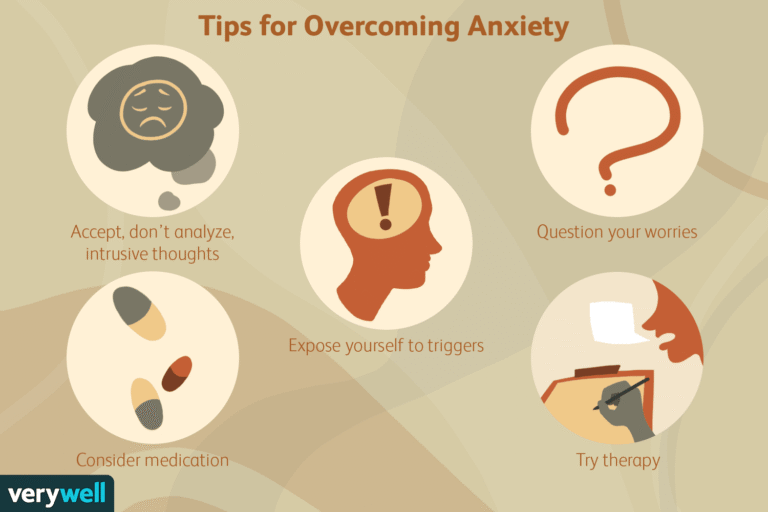
- Consider professional support if burnout has tipped into depression or anxiety, which happens more often than people admit
Preventing Burnout Before It Peaks
I’ve noticed the earliest warning sign is usually resentment creeping into small things — a meeting that used to feel fine suddenly feels unbearable. Catching that shift early, and adjusting workload or boundaries then, is far easier than recovering from full burnout later.
FAQs
Q: How long does burnout recovery usually take? It varies widely — mild burnout might improve within a few weeks of real rest and boundary changes, while severe burnout can take several months of sustained recovery.
Q: Is burnout the same as depression? No, though they share symptoms and burnout can sometimes lead to depression if unaddressed. A mental health professional can help distinguish between the two.
Q: Can changing jobs fix burnout? Sometimes, if the job itself is the core problem — but if burnout stems from personal patterns like overworking or poor boundaries, those patterns often follow to a new role too.
Q: Should I tell my employer I’m burned out? It depends on your workplace culture, but many find that having an honest, specific conversation about workload leads to better outcomes than silently pushing through.
Q: What’s the difference between stress and burnout? Stress is usually tied to specific, temporary pressures and improves once they pass. Burnout is more chronic, persistent, and doesn’t resolve with a short break.
Conclusion
Burnout doesn’t happen overnight, and it doesn’t fix itself overnight either. If several of these signs have felt familiar while reading, that’s worth taking seriously rather than pushing through with more coffee and willpower. Start with one boundary this week — even something small, like not checking email after 8 PM — and build from there.
This article is educational and does not replace individualized medical advice, diagnosis or treatment.
Keep your momentum.
Use the next and previous guide controls to continue through connected health topics.