Everyone wants a brighter smile, and the internet is absolutely flooded with home remedies promising it — some genuinely helpful, others honestly a little alarming from a dentist’s perspective. If you’re looking into how to whiten teeth naturally at home, it’s worth separating what’s safe from what quietly wears down your enamel over time.
Why Teeth Discolor in the First Place
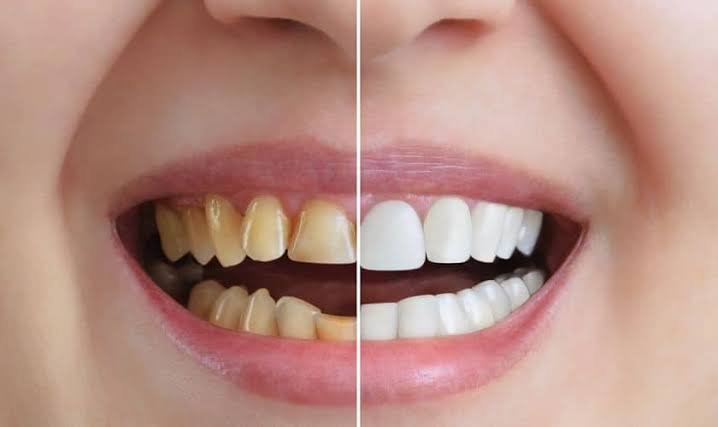
Coffee, tea, red wine, tobacco, and simply aging all contribute to staining. Some staining sits on the enamel surface (easier to address) while some is deeper, within the tooth structure (harder to shift without professional treatment).
Quick answer: Natural teeth whitening at home works best for surface stains and typically involves oil pulling, baking soda in moderation, and consistent oral hygiene — deeper discoloration usually needs professional treatment.
Oil Pulling
Swishing coconut or sesame oil in your mouth for 10-15 minutes, then spitting it out, is an old practice with some modest evidence supporting improved oral hygiene and slightly brighter teeth over consistent use. It’s not a dramatic whitening method, but it’s low-risk and genuinely supports gum health too.
Baking Soda — In Moderation
Baking soda has mild abrasive properties that can help remove surface stains. The key word is moderation — using it too frequently (more than 2-3 times a week) can wear down enamel over time, which ironically makes teeth look more yellow, since enamel erosion exposes the yellower dentin underneath.
Hydrogen Peroxide (Diluted)
A very diluted hydrogen peroxide rinse (never full-strength) is used in many commercial whitening products for good reason — it’s genuinely effective. But at-home use needs real caution; always dilute significantly and don’t use daily.
Eating Crunchy Fruits and Vegetables
Apples, carrots, and celery have a mild scrubbing effect on teeth surfaces while you chew, plus they stimulate saliva production, which naturally helps clean your mouth. This isn’t a whitening treatment exactly, but it supports overall brightness over time.
What to Avoid
- Lemon juice or vinegar rinses — the acidity actively erodes enamel, despite popular home-remedy claims
- Charcoal toothpaste used daily — some evidence suggests it can be abrasive with regular long-term use
- Excessive baking soda scrubbing — same enamel concern as above
I’ve noticed a lot of viral “whitening hacks” online skip mentioning enamel erosion entirely, which is honestly the most important part of this whole topic.
Consistent Basics Matter More Than Any Hack
Brushing twice daily, flossing, and reducing staining foods and drinks does more for long-term tooth brightness than any single home remedy. It’s less exciting advice, but it’s the foundation everything else sits on.
FAQs
Q: How long does natural teeth whitening take to show results? Mild, gradual improvement from consistent methods like oil pulling typically takes 2-4 weeks; don’t expect overnight, dramatic change from natural methods.
Q: Is baking soda safe for daily use? No — dentists generally recommend limiting baking soda whitening to 2-3 times weekly at most, to avoid enamel erosion from daily abrasive use.
Q: Can natural methods whiten teeth as well as professional treatment? Not typically for deeper or more significant discoloration — natural methods work best for mild surface staining, while professional whitening handles more stubborn cases.
Q: Does oil pulling actually work, or is it just a trend? There’s modest scientific support for oil pulling improving oral hygiene and mild whitening, though it’s not a substitute for regular brushing and flossing.
Q: Are whitening strips safer than home remedies? Generally yes, when used as directed — they’re formulated with tested concentrations, unlike DIY mixtures which can vary widely in strength and safety.
Conclusion
Natural teeth whitening works best as a gradual, consistent habit rather than a quick fix — and it works best alongside good basic oral hygiene, not as a replacement for it. If staining is deep or long-standing, a dentist consultation will likely get you further than any home remedy ever will.
This article is educational and does not replace individualized medical advice, diagnosis or treatment.
Keep your momentum.
Use the next and previous guide controls to continue through connected health topics.