A lot of people assume bleeding gums while brushing is just… normal. It’s not, and that assumption is exactly why gum disease often goes unnoticed until it’s more advanced. Recognizing gum disease symptoms early is genuinely one of the simplest ways to protect your teeth long-term.
Bleeding Gums During Brushing or Flossing
This is usually the earliest and most common sign of gingivitis, the initial stage of gum disease. Healthy gums simply don’t bleed from normal brushing pressure.
Quick answer: The earliest gum disease symptoms include bleeding gums during brushing, persistent bad breath, and gum redness or swelling — catching these signs early, at the gingivitis stage, is fully reversible with proper care.
Persistent Bad Breath
Occasional bad breath after garlic-heavy food, fine. But chronic bad breath that doesn’t improve with brushing and mouthwash often points to bacteria buildup below the gumline, a hallmark of developing gum disease.
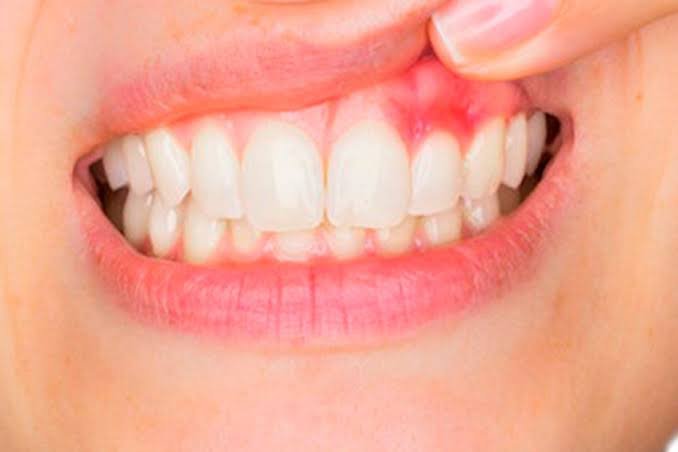
Red, Swollen, or Tender Gums
Healthy gum tissue is firm and pale pink. Redness, puffiness, or tenderness when touched are all signs of inflammation that shouldn’t be ignored, even if there’s no pain yet.
Receding Gums
If your teeth appear to be “getting longer” over time, or you notice more tooth visible near the gumline than before, that’s gum recession — a sign of more advanced gum disease (periodontitis) that needs professional treatment.
Loose or Shifting Teeth
This is a later-stage symptom, but an important one. Gum disease progressively destroys the bone and tissue supporting teeth, and loosening is a sign that damage has moved beyond the gums alone.
Pus Between Teeth and Gums
This indicates active infection and needs prompt dental attention — it’s one of the more serious signs that shouldn’t wait for a routine six-month cleaning appointment.
Changes in How Your Bite Feels
If your teeth suddenly seem to fit together differently when you bite down, this can indicate shifting caused by underlying bone loss from advanced gum disease.
Risk Factors Worth Knowing
- Smoking or tobacco use (one of the biggest risk multipliers)
- Diabetes, which impairs the body’s ability to fight gum infections
- Poor oral hygiene habits over an extended period
- Hormonal changes, including pregnancy, which can increase gum sensitivity
FAQs
Q: Can gum disease be reversed? Gingivitis, the early stage, is fully reversible with improved oral hygiene and professional cleaning. Periodontitis, the more advanced stage, can be managed but not fully reversed.
Q: How often should I see a dentist to catch gum disease early? Every six months is the standard recommendation for most people, though those with existing gum issues may need more frequent visits.
Q: Is bleeding while flossing always a sign of gum disease? Occasional light bleeding when you start flossing after a long gap can be temporary, but persistent bleeding over multiple sessions is a genuine warning sign.
Q: Can gum disease affect overall health, not just teeth? Yes — research links untreated gum disease to increased risk of heart disease and complications with diabetes, among other systemic effects.
Q: What’s the difference between gingivitis and periodontitis? Gingivitis is early, reversible gum inflammation. Periodontitis is advanced, involves bone and tissue loss, and requires more intensive dental treatment to manage.
Conclusion
Gum disease is sneaky precisely because early symptoms feel minor — a little blood here, slightly puffy gums there. Catching it at the gingivitis stage means full recovery is realistic with better habits and a proper cleaning. Waiting until teeth feel loose means the conversation with your dentist gets a lot more complicated.
This article is educational and does not replace individualized medical advice, diagnosis or treatment.
Keep your momentum.
Use the next and previous guide controls to continue through connected health topics.