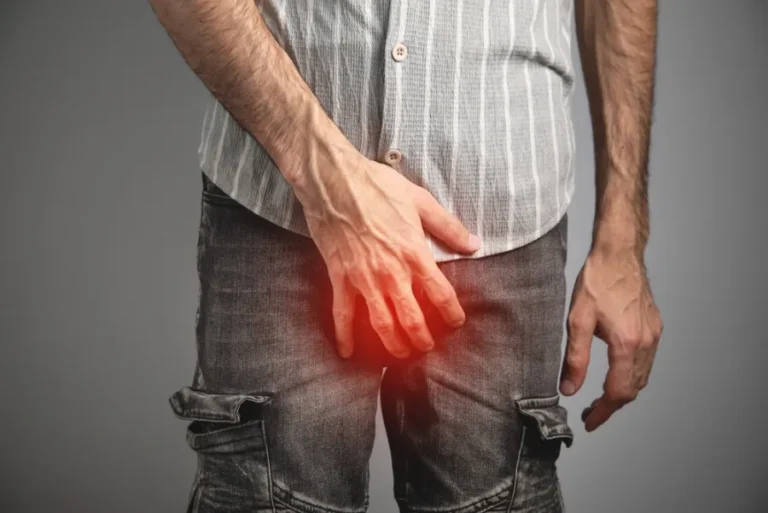
Fatigue, low motivation, and a general sense of feeling “off” get brushed off as just stress or aging way too often. Sometimes that’s exactly what it is. But sometimes, low testosterone symptoms in men are quietly at play, and most men never think to check.
What Testosterone Actually Does
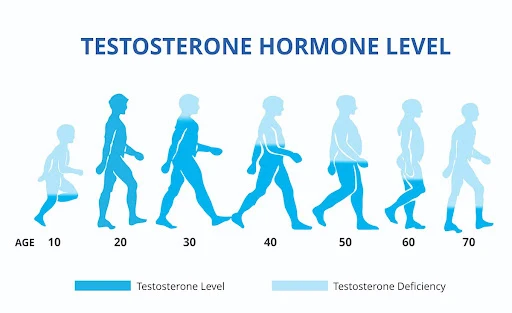
Beyond the obvious associations with muscle and libido, testosterone affects mood, energy, bone density, and even cognitive function. Levels naturally decline gradually with age — roughly 1% per year after 30 — but a sharper decline can signal an underlying issue.
Quick answer: Common low testosterone symptoms in men include persistent fatigue, reduced muscle mass, low libido, mood changes, and difficulty concentrating — a simple blood test can confirm whether levels are actually low.
Fatigue That Doesn’t Improve With Rest
This overlaps with a lot of other conditions, which is exactly why testosterone often gets overlooked as a cause. If fatigue persists despite good sleep and diet, it’s worth including on the list of things to check.
Reduced Muscle Mass and Strength
Testosterone plays a direct role in muscle protein synthesis. A noticeable drop in strength or muscle mass, without any change in training routine, can be a physical marker worth investigating.
Low Libido and Erectile Difficulties
This is probably the most commonly recognized symptom, though it’s often the one men are least likely to bring up with a doctor. It’s worth mentioning directly rather than dancing around it during an appointment.
Mood Changes: Irritability, Low Motivation, Mild Depression
Testosterone influences mood regulation, and low levels are associated with increased irritability and depressive symptoms in a meaningful number of men.
Increased Body Fat, Especially Around the Midsection
Low testosterone is linked to increased fat storage, particularly visceral fat, which creates a frustrating cycle since excess body fat can further lower testosterone levels.
Natural Ways to Support Healthy Testosterone Levels
- Strength training regularly: Resistance exercise has one of the strongest evidence bases for naturally supporting testosterone
- Prioritize sleep: Testosterone production happens primarily during deep sleep; chronic sleep deprivation measurably lowers levels
- Manage stress: Chronic cortisol elevation directly suppresses testosterone production
- Maintain a healthy body weight: Excess fat, particularly abdominal fat, converts testosterone to estrogen through increased aromatase activity
- Ensure adequate vitamin D and zinc: Both are linked to healthy testosterone production and are commonly deficient
When to See a Doctor
If multiple symptoms persist for more than a few weeks, a simple morning blood test (testosterone peaks in the morning) can clarify whether levels are actually low or whether something else is going on.
FAQs
Q: At what age does testosterone start declining? Testosterone typically peaks in the late teens to twenties and begins a gradual decline of about 1% per year starting around age 30.
Q: Can low testosterone be reversed naturally? In many cases, yes — lifestyle changes like better sleep, strength training, and weight management can meaningfully raise testosterone levels without medication.
Q: Is testosterone replacement therapy necessary for everyone with low levels? No — it’s typically reserved for men with clinically confirmed low levels and significant symptoms, after lifestyle interventions haven’t been sufficient.
Q: Can stress alone cause low testosterone? Yes, chronic stress elevates cortisol, which directly suppresses testosterone production, making stress management a genuinely important factor.
Q: Do testosterone-boosting supplements actually work? Most over-the-counter supplements have limited solid evidence; ingredients like vitamin D and zinc help if you’re deficient, but they won’t meaningfully raise already-normal levels.
Conclusion
Low testosterone symptoms often get quietly attributed to “just getting older” or stress, when a straightforward blood test could clarify what’s actually happening. If several of these symptoms sound familiar, it’s worth a conversation with your doctor rather than assuming it’s simply part of aging.
This article is educational and does not replace individualized medical advice, diagnosis or treatment.
Keep your momentum.
Use the next and previous guide controls to continue through connected health topics.