Getting a PCOS diagnosis often comes with a flood of conflicting advice — cut carbs entirely, go keto, try this supplement. It’s overwhelming, and honestly a lot of it isn’t necessary. A well-structured PCOS diet plan doesn’t need to be extreme; it needs to be consistent and focused on managing insulin resistance, which sits at the root of most PCOS symptoms.
Why Diet Matters So Much for PCOS
Quick answer: A PCOS diet plan works primarily by managing insulin resistance — since most women with PCOS have some degree of insulin resistance, which worsens hormonal imbalance, irregular periods, and weight gain.
Foods That Help Manage PCOS
- High-fiber foods: Whole grains, lentils, and vegetables slow sugar absorption, reducing insulin spikes
- Lean proteins: Eggs, paneer, chicken, and fish help stabilize blood sugar and support satiety
- Healthy fats: Nuts, seeds, and olive oil support hormone production without spiking insulin
- Low-glycemic fruits: Berries, apples, and pears cause a gentler blood sugar response than tropical fruits like mango or banana
Foods to Limit or Avoid
- Refined carbohydrates: White bread, sugary cereals, and pastries spike insulin quickly
- Sugary drinks: Sodas and sweetened juices are particularly problematic for insulin resistance
- Processed and fried foods: These promote inflammation, which worsens PCOS symptoms
- Excess dairy for some women: Not universal, but some women with PCOS notice symptom improvement reducing dairy — this varies individually
Sample Meal Ideas
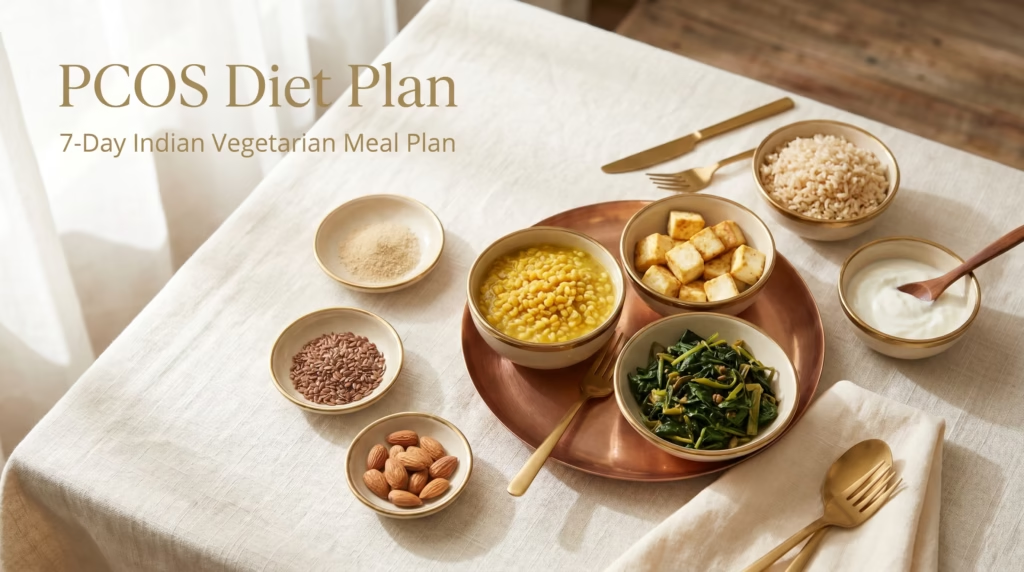
Breakfast: Vegetable-loaded omelette with whole-grain toast Lunch: Grilled paneer or chicken salad with quinoa and olive oil dressing Snack: A small portion of nuts and a piece of low-glycemic fruit Dinner: Dal, brown rice, and a generous portion of non-starchy vegetables
The Role of Meal Timing
Eating regular meals rather than skipping them helps stabilize blood sugar throughout the day. I’ve noticed women with PCOS who skip breakfast tend to report worse cravings and energy crashes later — regular meal timing genuinely helps here.
Supplements Sometimes Recommended Alongside Diet
- Inositol: Shows promising research for improving insulin sensitivity and ovulation in PCOS
- Vitamin D: Often low in women with PCOS and linked to symptom severity
- Omega-3s: May help reduce inflammation associated with PCOS
Always discuss supplements with a doctor before starting, since dosing and interactions matter.
Exercise Alongside Diet
Combining diet changes with regular movement — even brisk walking 30 minutes most days — significantly improves insulin sensitivity beyond what diet changes alone achieve.
FAQs
Q: Is a low-carb diet necessary for PCOS? Not strictly necessary — a moderate, balanced approach focusing on low-glycemic, high-fiber carbs often works as well as strict low-carb diets for most women.
Q: Can PCOS symptoms improve just from diet changes? Yes, many women notice improved cycle regularity, reduced cravings, and better energy within 2-3 months of consistent dietary changes.
Q: Does weight loss cure PCOS? It doesn’t “cure” PCOS, but even modest weight loss (5-10% of body weight) often significantly improves symptoms and hormonal balance for many women.
Q: Should I avoid all dairy with PCOS? Not necessarily — dairy sensitivity varies by individual; some women notice real improvement reducing dairy, while others see no difference at all.
Q: Is intermittent fasting safe with PCOS? It can be beneficial for some women with PCOS by improving insulin sensitivity, but it should be approached carefully and ideally discussed with a doctor first.
Conclusion
Managing PCOS through diet isn’t about extreme restriction — it’s about consistently choosing foods that keep blood sugar and insulin stable. Give any new eating pattern a genuine 8-12 weeks before evaluating results, since hormonal changes take time to show up in symptoms like cycle regularity and energy levels.
This article is educational and does not replace individualized medical advice, diagnosis or treatment.
Keep your momentum.
Use the next and previous guide controls to continue through connected health topics.